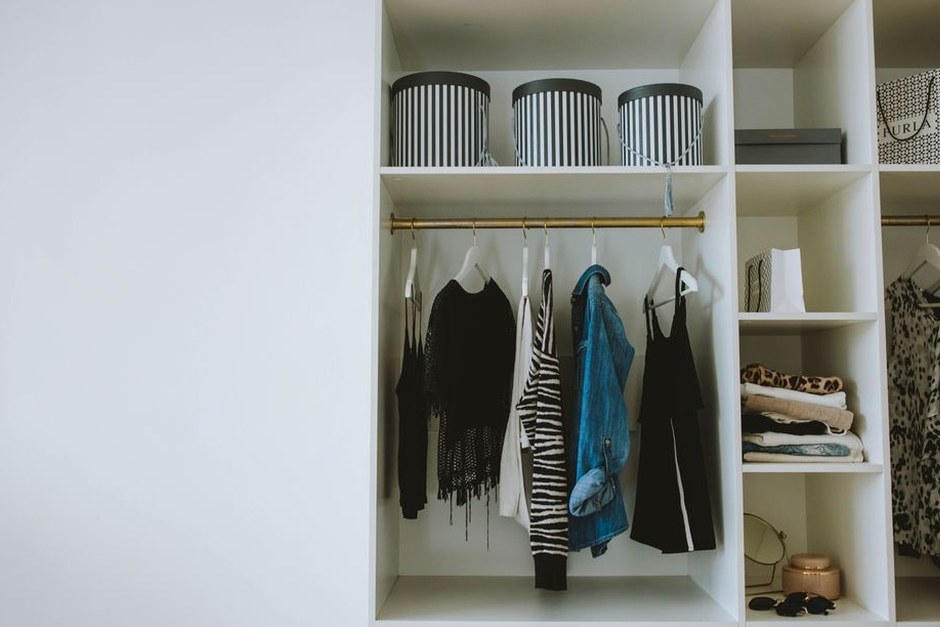
Packing Light for a Two-Night City Break
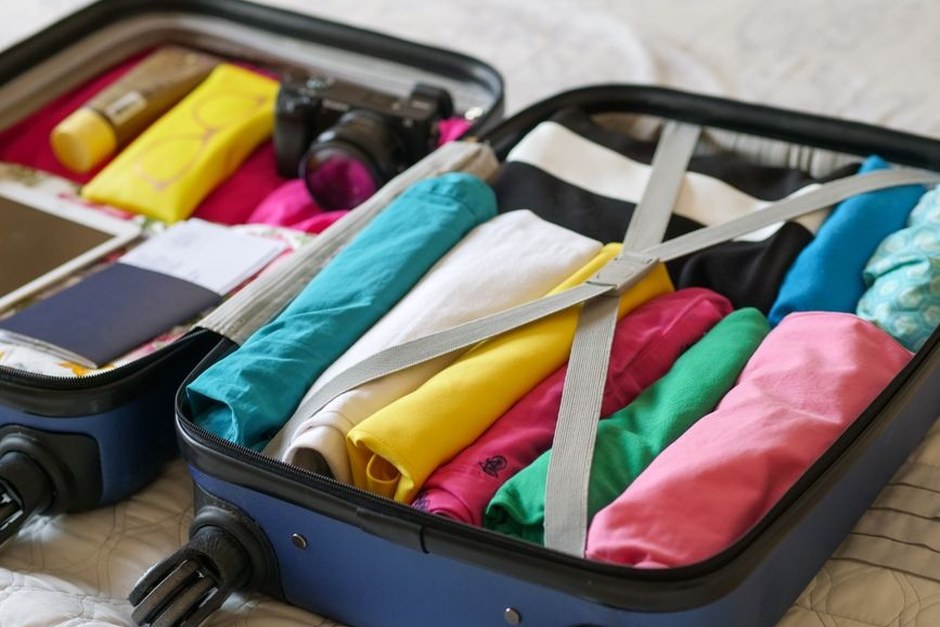
A two-night city break is short enough to feel spontaneous and long enough to tempt you into packing for every possible version of the weekend. The easiest way to keep the bag small is to stop thinking in complete outfits and start thinking in repeatable pieces. A shirt that works for a museum in the afternoon should also work for dinner after a change of shoes or an added layer.
Start with the shape of the trip
Before anything goes into the suitcase, picture the actual sequence of events. You may have a train or flight, a long walk, one evening reservation, a slow morning, and another stretch of sightseeing before heading home. That is a much smaller wardrobe problem than “three days away.”
For most mild-weather weekends, one pair of trousers or jeans can do most of the work. Add two tops, one light layer, sleepwear, underwear, and a compact outer layer appropriate for the forecast. Wear the bulkiest shoes and jacket while traveling. If the trip includes a genuinely different activity, such as a formal dinner or a long hike, pack for that specific exception rather than adding general backup clothes.
Build around one repeatable outfit
The best travel clothes are not necessarily the lightest. They are the pieces you can wear for several hours without adjusting, worrying, or feeling out of place. Start with one comfortable base outfit and make small changes around it. A button-down over a T-shirt, for example, can become a light jacket during the day and a more finished layer in the evening.
Color helps too, but there is no need to create a strict capsule wardrobe. It is enough that the tops work with the same bottoms and that the outer layer works with everything. A scarf, belt, or small piece of jewelry can change the feel of an outfit without taking up meaningful space.
What earns space in the bag
Toiletries are where a short-trip bag can quietly become heavy. Decant only what you will actually use and skip duplicates that a hotel already provides. Keep cables together in one pouch, put essential medication or documents in an easy-to-reach pocket, and give small loose items a fixed home before you leave.
- A small umbrella is worth taking only when the forecast makes it plausible.
- A reusable water bottle is useful if it fits the way you travel, but an oversized one can be more nuisance than help.
- A tote that folds flat is excellent for groceries, books, or an unexpected purchase.
- A tiny laundry bag keeps worn clothing from taking over the suitcase.
Leave a little empty space. A bag packed perfectly at home often feels harder to close on the return journey, when clothes are no longer folded with showroom precision and you may have picked up a book, a packet of coffee, or a small gift.
Use the final five-minute test
Once everything is packed, close the bag and carry it around the room for a few minutes. If it already feels irritating, it will not improve after stairs, platforms, or cobbled streets. Open it again and remove the items that exist only for unlikely scenarios.
Traveling light is less about minimalism than about making the weekend easier to move through. You spend less time organizing a temporary room, less attention guarding your belongings, and less energy negotiating with an overstuffed bag. For a two-night trip, that freedom is usually more useful than the extra sweater you never planned to wear.