A Market Supper Built Around What Looks Best
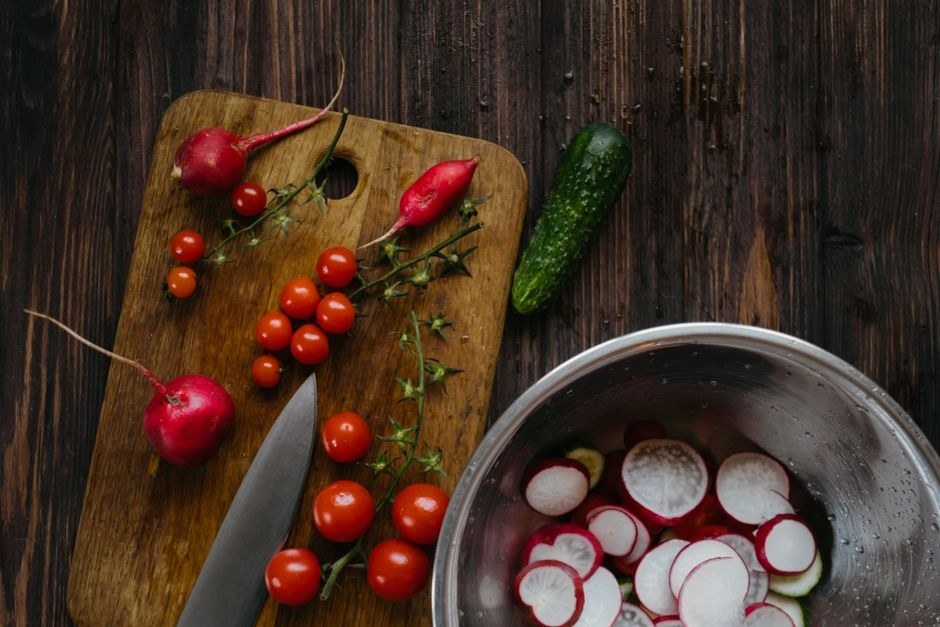
Shopping for dinner at a market is more enjoyable when the meal is not already locked into a recipe. Instead of hunting for six exact ingredients, you can choose the tomatoes that smell ripe, the herbs that still look lively, or the bunch of radishes that makes you want to cook with them immediately. The trick is having a loose structure in mind so that enthusiasm turns into dinner rather than a collection of unrelated vegetables.
Think in roles, not recipes
A simple supper usually needs something substantial, something fresh, something sharp, and something that ties the plate together. The substantial part might be potatoes, rice, bread, beans, eggs, or pasta. Freshness can come from raw vegetables, herbs, or fruit. A little acidity from lemon or vinegar keeps roasted or sautéed ingredients from tasting flat, while olive oil, butter, yogurt, cheese, or a quick dressing gives the meal cohesion.
At the market, pick one ingredient to lead. If the tomatoes are excellent, build around tomatoes. If mushrooms look best, let them have the pan and keep the rest restrained. Choosing a lead ingredient prevents the common mistake of buying five beautiful things and giving none of them enough attention.
Let texture do some of the work
A satisfying vegetable-centered meal benefits from contrast. Crisp radishes next to warm potatoes feel more complete than either ingredient alone. Soft beans become livelier with toasted breadcrumbs. A pile of greens is more interesting with seeds, nuts, or a piece of grilled bread.
This is also where leftovers become useful. Yesterday’s cooked grains can be warmed in a skillet until a few edges crisp. Stale bread can become croutons or thick toast rubbed with garlic. A spoonful of yogurt mixed with lemon, salt, and herbs can turn a tray of roasted vegetables into a finished plate in less than a minute.
A flexible market formula
One dependable approach is to roast or sauté the ingredient that needs heat, keep one ingredient raw, and make a small sauce while the pan is working. For example: browned zucchini and onions, sliced tomatoes with salt, and a lemony herb yogurt. Or boiled potatoes, chopped cucumber, soft eggs, and mustard dressing. The exact ingredients can change completely while the logic stays useful.
Stop cooking before the evening disappears
Market produce can inspire ambitious plans, but a weeknight supper is usually better when the cooking remains proportional to the day. If three pans, a blender, and an hour of chopping are required, the freshness of the ingredients can get buried under the project.
Choose one main cooking method and keep the rest simple. While a tray is roasting, wash the herbs and make the dressing. While pasta water heats, slice the tomatoes. Put the food on one large plate rather than fussing with individual portions. The result feels generous without demanding restaurant choreography.
The pleasure of this kind of meal comes from responsiveness. You are cooking with what looked good, not forcing ingredients into a plan made days earlier. A small set of pantry habits—good oil, vinegar, salt, mustard, grains, pasta, and a few condiments—provides the structure. The market supplies the surprise.